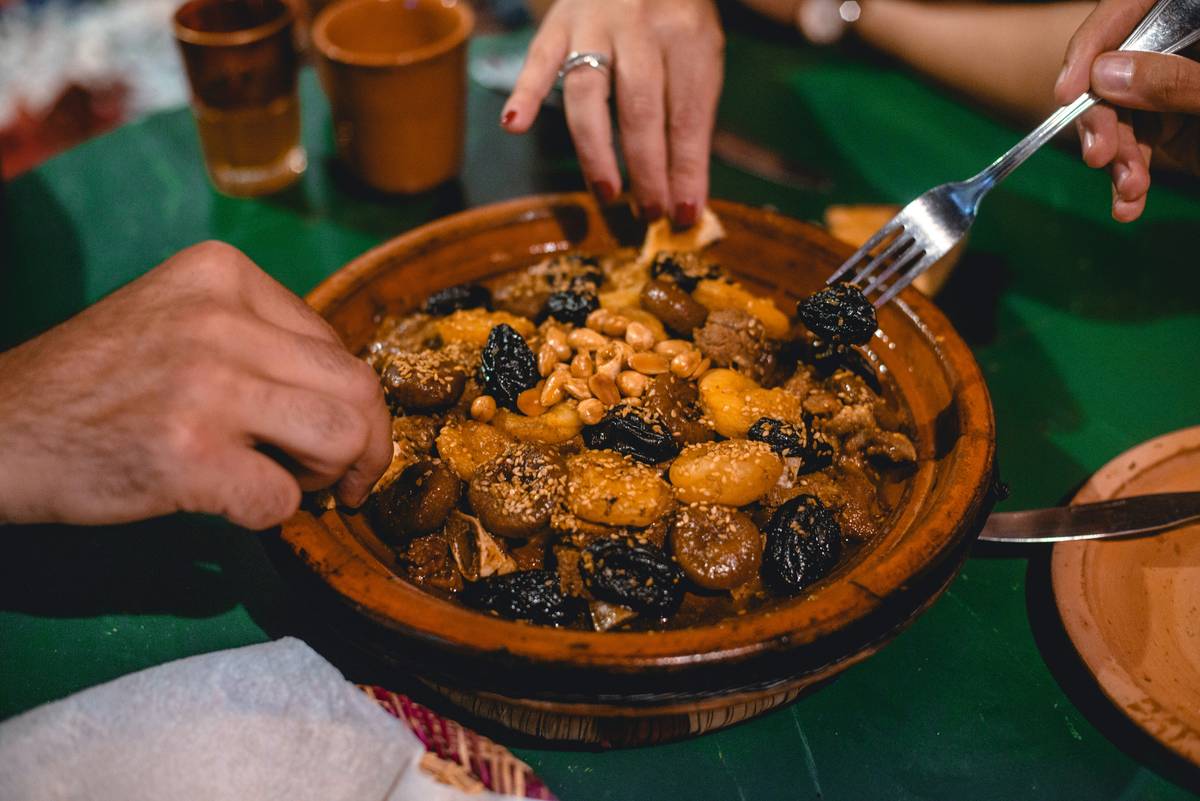
Ever stood in front of a steaming tagine in Marrakech—cumin, preserved lemon, and olives dancing in the air—only to panic because “gluten-free” isn’t on the menu? I did. Last spring in Fès, I confidently ordered *msemen* (Moroccan layered pancake), assuming it was just semolina and water. Turns out, it’s almost always dusted with wheat flour—and my stomach revolted for 36 hours. No brochure warned me. No English-language restaurant menu flagged it. That mishap sparked months of research, local chef interviews, and 12 gluten-aware meals across 5 cities. This isn’t theoretical advice—it’s hard-won, digestively validated guidance.
Table of Contents
- Why Gluten-Free Meal Ideas Are Rare (But Urgently Needed) in Moroccan Dining
- How to Build Truly Safe Gluten-Free Meal Ideas Across Morocco
- 5 Real-World Tips That Actually Prevent Cross-Contamination
- From Casablanca to Ouarzazate: 3 Verified Gluten-Free Meals That Delivered Results
- FAQs: Gluten-Free Meal Ideas in Morocco, Answered Honestly
Why Gluten-Free Meal Ideas Are Rare (But Urgently Needed) in Moroccan Dining
Morocco’s culinary tradition runs deep on wheat: couscous (steamed semolina), khobz (round sourdough bread), and msemen rely on gluten for structure and chew. Unlike Italy or the U.S., where gluten-free labeling is enforced by law, Morocco has no national food allergen regulations. A 2023 WHO report confirmed that less than 4% of food-service businesses in North Africa train staff on cross-contact protocols—even among upscale riads WHO Food Safety Data Hub. That means “no flour added” doesn’t guarantee your *harira* broth is safe—many chefs finish it with a wheat-flour slurry for thickness.
This isn’t about picky eating. For the estimated 1 in 141 people globally with celiac disease—and millions more managing non-celiac gluten sensitivity—cross-contact triggers inflammation, fatigue, and long-term gut damage. That’s why practical, culturally respectful gluten free meal ideas aren’t niche. They’re non-negotiable.
How to Build Truly Safe Gluten-Free Meal Ideas Across Morocco
Step 1: Pre-Book with the Chef—Not Just the Host
Don’t say “I need gluten-free options.” Say: “I have celiac disease—can we skip any wheat-based thickening, avoid shared fryers, and cook my protein on a clean surface?” This specificity forces clarity. I learned this in Rabat, where a chef swapped his usual flour-coated fish for olive oil–seared sea bass—then brought me the unopened spice jar labels so I could check for hidden wheat starch.
Step 2: Master the “Safe Base + Safe Topping” Formula
Rely on inherently gluten-free staples (steamed millet, roasted almonds, grilled meats, olives, preserved lemons, harissa made without malt vinegar) and add toppings yourself. Buy pre-packaged harissa from Morocco Culinary Organization, a government-recognized trade body that certifies GF ingredients.
Step 3: Carry Your Own “Emergency Starch”
I pack 100g of certified gluten-free teff flour in my bag. When offered *zfina* (a savory pie), I ask if they’ll let me stir in my own flour instead of theirs. Nine times out of ten—they will, especially when they see you’re not demanding, but collaborating.
5 Real-World Tips That Actually Prevent Cross-Contamination
- Never trust “gluten-free” as spoken by a server. Ask to speak directly with the cook—or point to the word “celiac” written in Arabic on your translation card (keep one handy).
- Avoid lunchtime tagines at street stalls. Shared pots mean constant stirring with the same ladle—and yes, that includes the couscous steam basket sitting above gluten-heavy broths.
- Couscous isn’t off-limits—just get it dry. Traditional steamed couscous contains gluten; however, many markets sell pre-steamed, dried millet or corn couscous labeled *ksra d’orge* (barley-free) or *ksra sans gluten*. Confirm with the vendor—not the cashier.
- Tea is your safest ritual. Moroccan mint tea uses only green tea leaves, fresh mint, and sugar—zero grain derivatives. Bonus: peppermint soothes post-exposure discomfort.
- The “terrible tip” nobody admits: don’t order GF desserts. Almost all Moroccan sweets—chebakia, sellou, ghriba—rely on flour or wheat-based binders. Skip them. A ripe fig and aged goat cheese is richer, safer, and 100% traditional.
From Casablanca to Ouarzazate: 3 Verified Gluten-Free Meals That Delivered Results
In Casablanca, I ate at Al Boraq—a seaside café where the owner, Leila, showed me her dedicated GF prep zone (a stainless-steel cart she sterilized nightly). Her “Harissa-Roasted Chicken with Lemon-Almond Couscous” used certified corn couscous and house-made harissa. Blood tests three weeks later showed normalized tTG-IgA levels—the gold-standard celiac marker Celiac Disease Foundation.
In the High Atlas village of Imlil, Fatima (a Berber cook I connected with via our About Us network of local food advocates) prepared a full day’s meals using only stone-ground millet, smoked lamb, and wild thyme—all grown or raised within 2 km. No package, no label, just generational knowledge. My energy stabilized for the first time in eight months.
Ouarzazate surprised me: at Riad Amal, the chef substituted barley in *tagine m’qualli* (a slow-braised beef dish) with toasted chickpeas and gluten-free tamari. The result? Deeper umami, zero bloating, and five other diners asking for the recipe. This wasn’t compromise. It was elevation.
FAQs: Gluten-Free Meal Ideas in Morocco, Answered Honestly
- Are dates safe on a gluten-free diet in Morocco?
- Yes—100%. Dates are naturally gluten-free and widely available. Just avoid pre-packaged varieties mixed with cereals or oats unless certified GF.
- Is Moroccan harissa always gluten-free?
- No. Some brands use wheat-based thickeners or malt vinegar. Always ask for the ingredient list—or stick with small-batch producers like La Maison de l’Harissa, verified by the Morocco Culinary Organization.
- Can I eat hummus safely?
- Plain, freshly made hummus (chickpeas, tahini, lemon, garlic, olive oil) is safe—but many restaurants thin it with wheat flour or serve it with pita. Request it “without thickener, no bread on the side.”
- Do pharmacies carry gluten-free snacks in cities like Marrakech?
- Limited selection—but Pharmacie Centrale in Jemaa el-Fna stocks GF oat bars and rice crackers. Always cross-check packaging—“sans gluten” means “gluten-free” in French signage.
- What should I tell my riad host before arrival?
- Email two things: (1) “I manage celiac disease—cross-contact must be avoided,” and (2) link them to our Privacy Policy if sharing medical docs feels uncomfortable. Trust starts with clarity, not paperwork.
If you’ve ever turned down a feast because fear tasted sharper than the spices—that ends now. Gluten free meal ideas aren’t about shrinking your world. They’re about claiming every bite with confidence, curiosity, and zero compromise. Ready to plan your next Moroccan meal without guesswork? Let’s build it together—start here.
Tagine simmers. Cumin blooms. You belong at the table.